
The Art of Persian Rugs
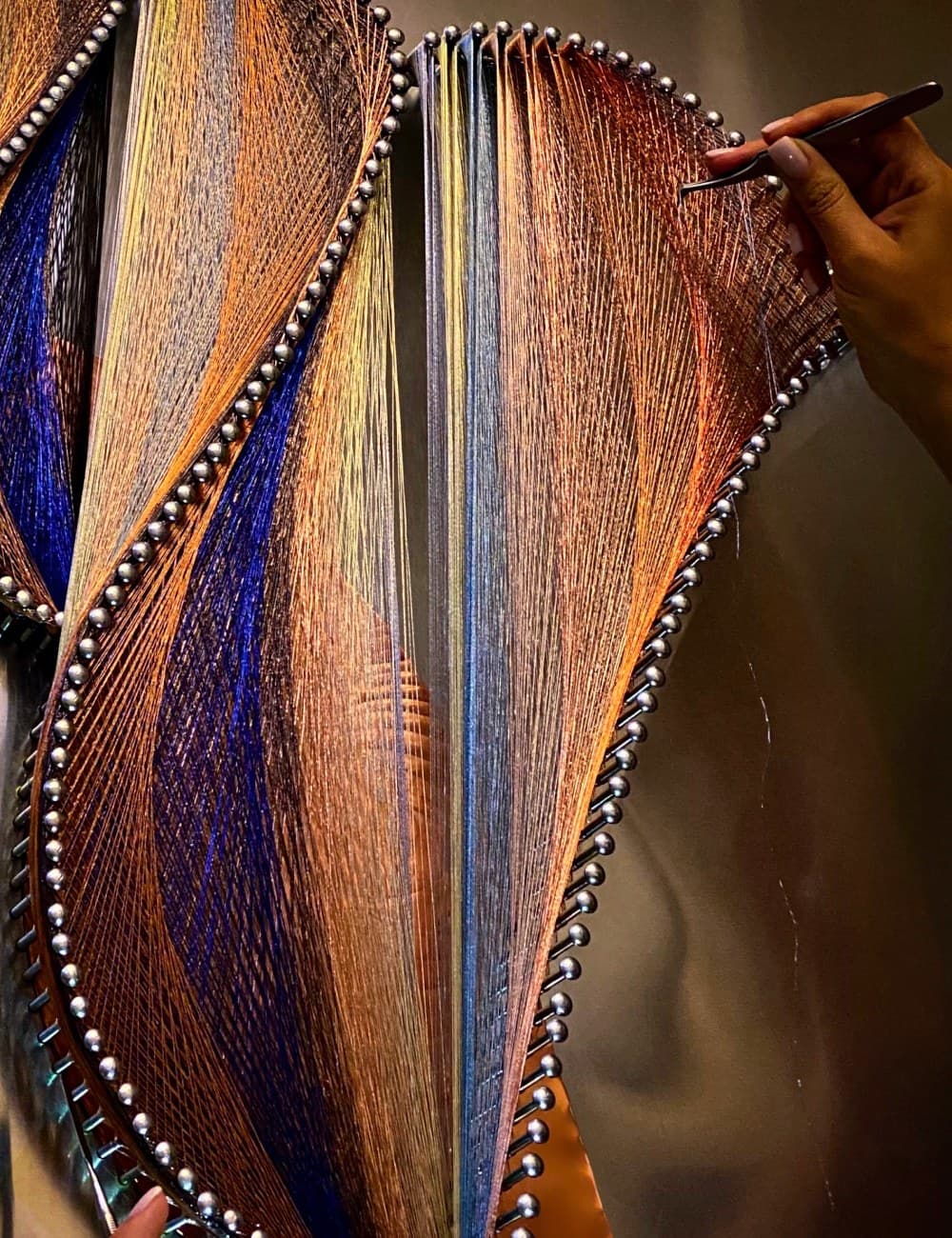
The oldest surviving knotted carpet was cut from frozen ground in the Altai mountains and is some two and a half thousand years old. Its border is Persian in everything but name — the same rhythm of guard stripes, the same procession of riders.
What followed was not a single tradition but dozens: Tabriz, Kashan, Isfahan, Qom, each city answering the same brief in its own accent.
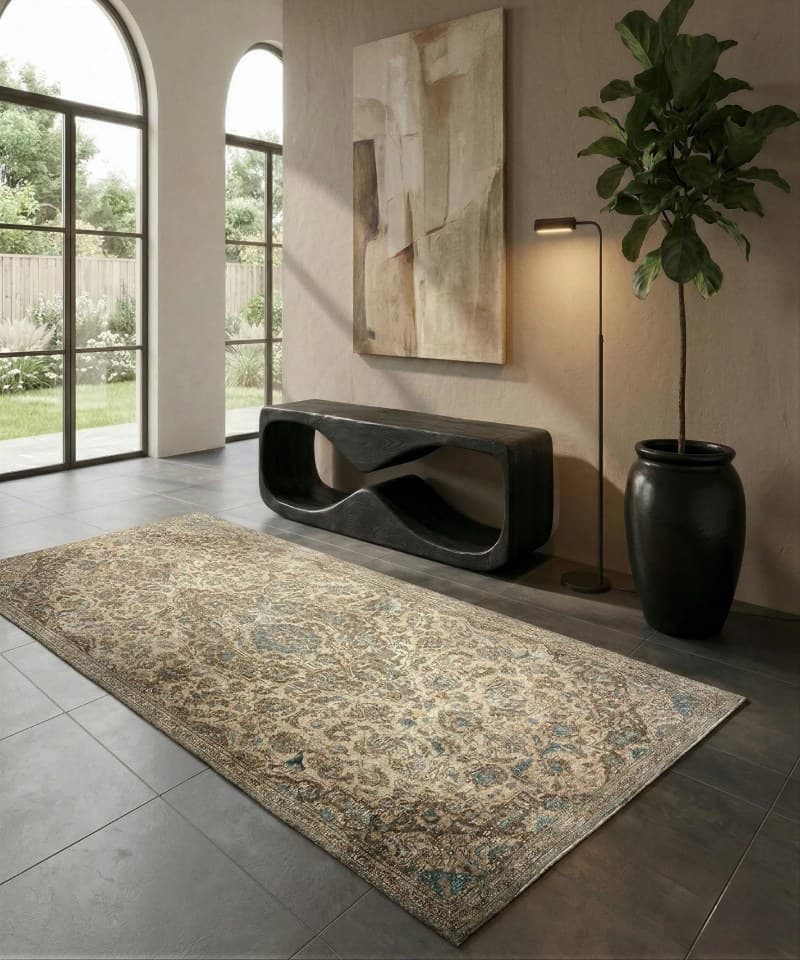
A hand-knotted rug is built one knot at a time around the warp threads on a vertical loom. Density is counted in knots per square decimetre — and it is density, more than material, that decides how finely a design can be drawn.
A fine Isfahan may carry over a million knots per square metre. A weaver ties a few thousand a day.
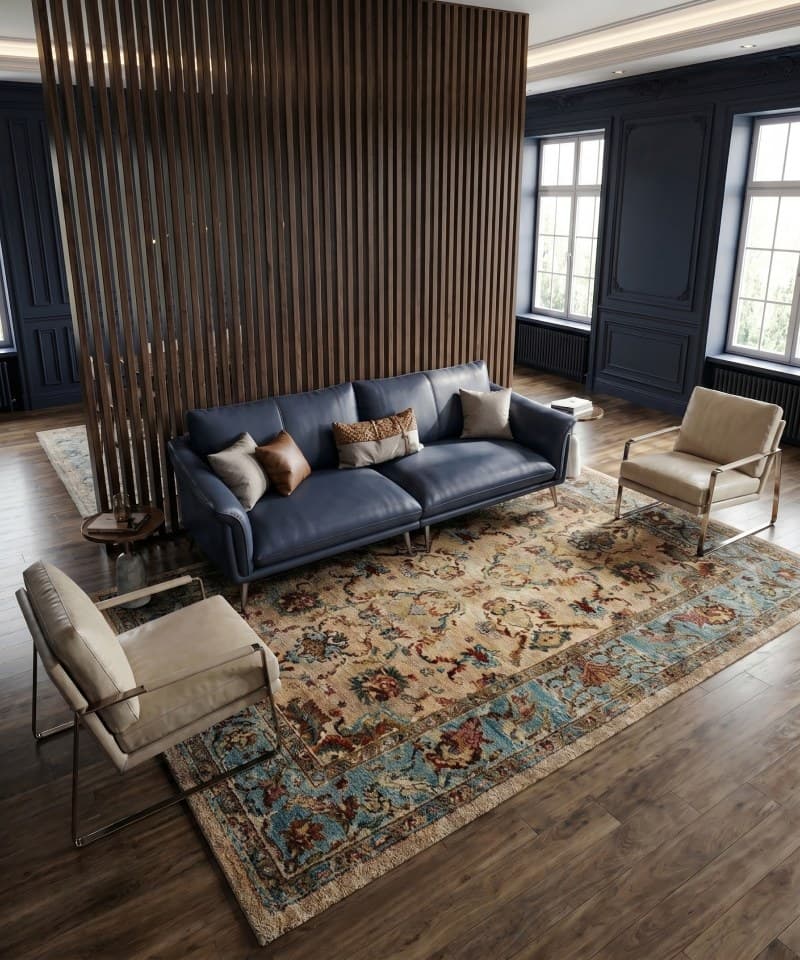
The boteh, the medallion, the tree of life, the garden divided into four by water — Persian design is a vocabulary before it is a picture, and the same words are spoken differently from town to town.
Read a rug long enough and you can usually say where it was made without turning it over.
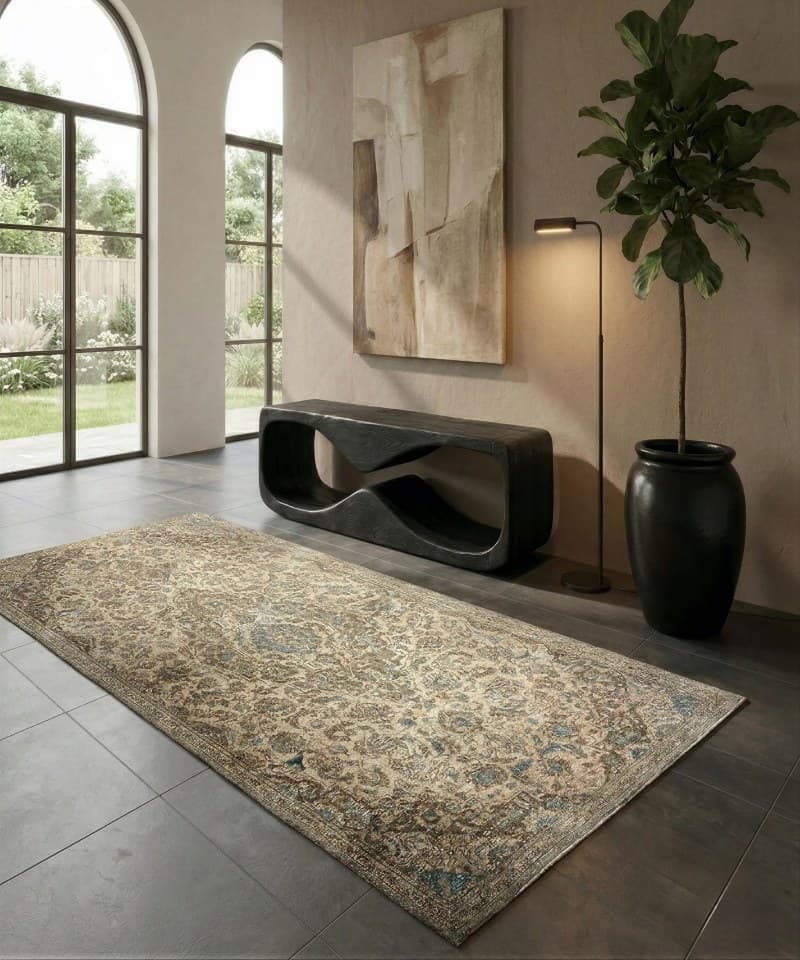
Madder root for red, indigo for blue, pomegranate rind and vine leaf for yellow. Natural dye takes unevenly by design: the faint horizontal banding collectors call abrash is the signature of a dye lot changing mid-rug.
These colours do not fade so much as settle, which is why an old rug reads warmer than a new one.
sdfs sdfasdfasdf