A Guide to Choosing the Right Rug Size
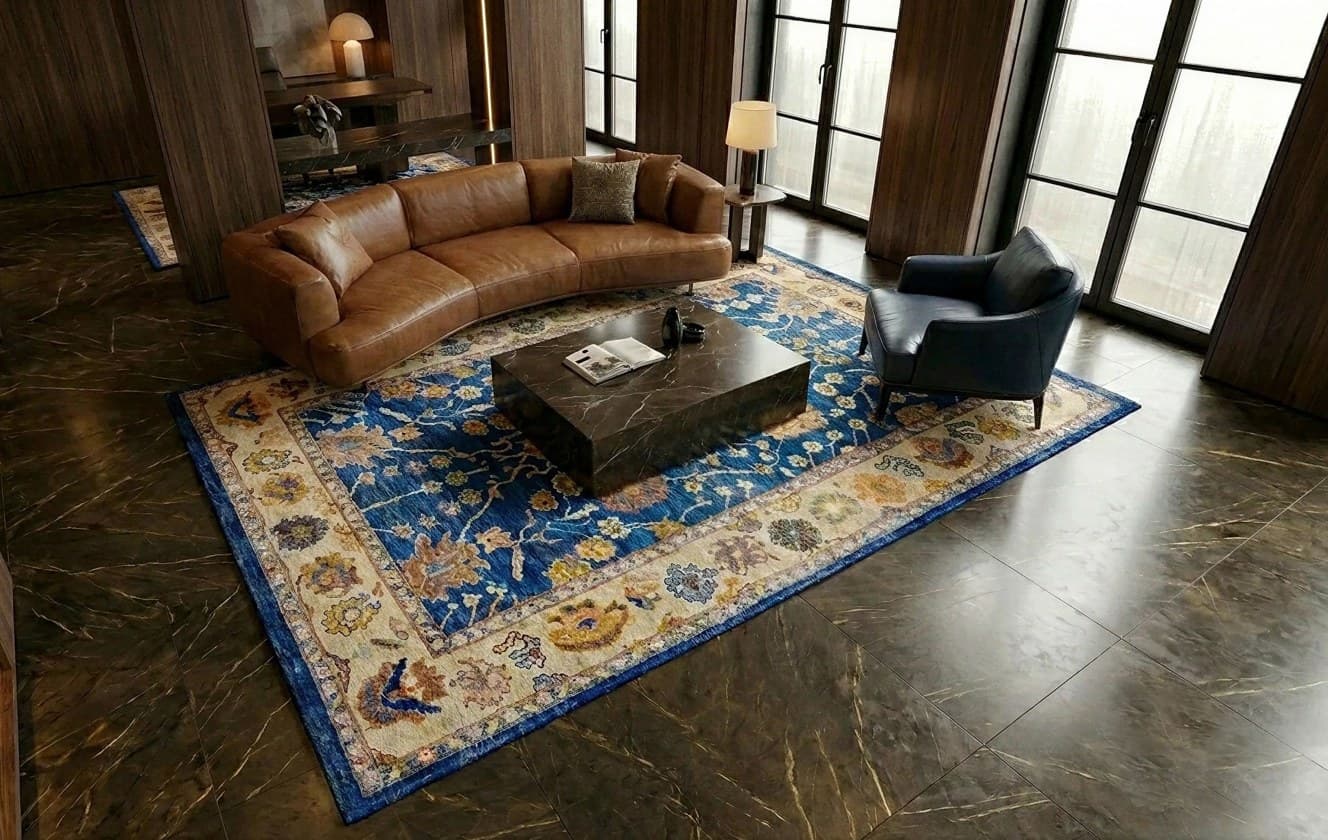
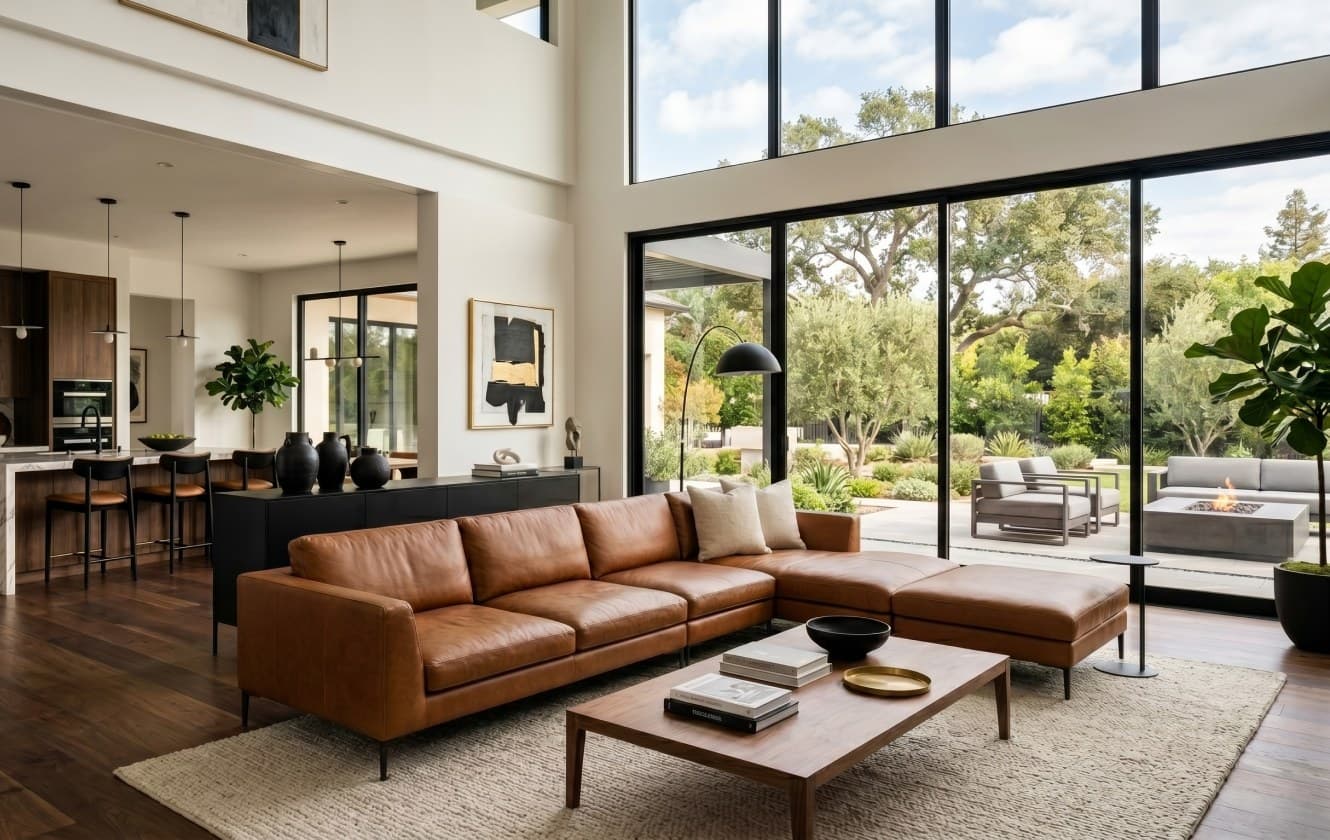
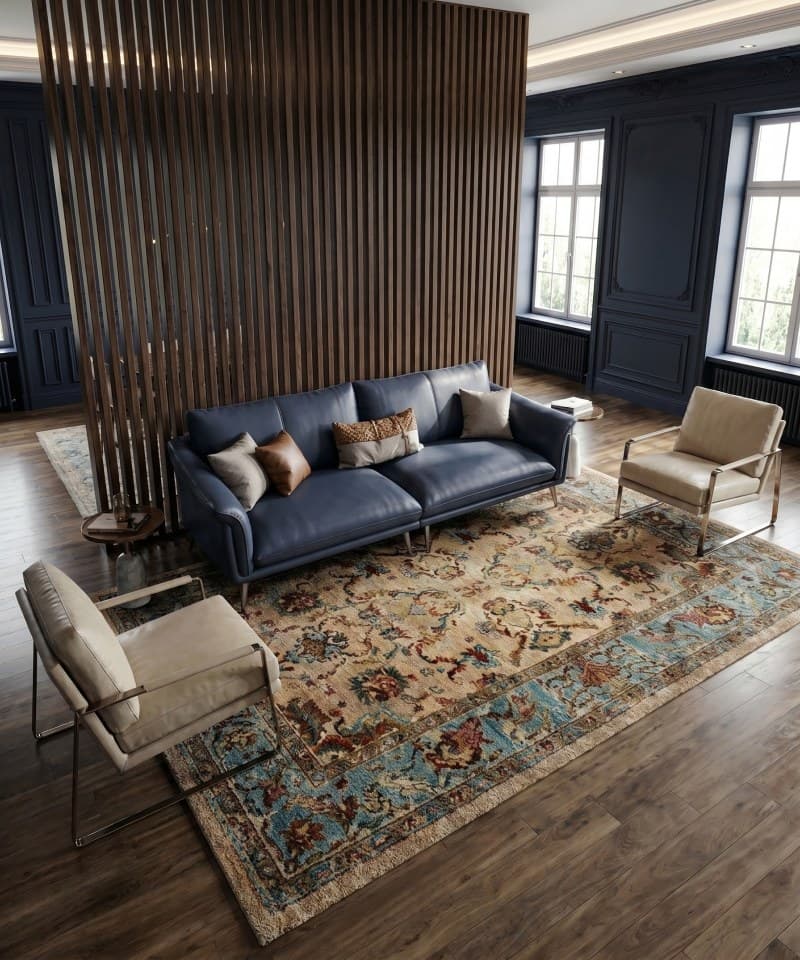
The single decision that makes or breaks a room.
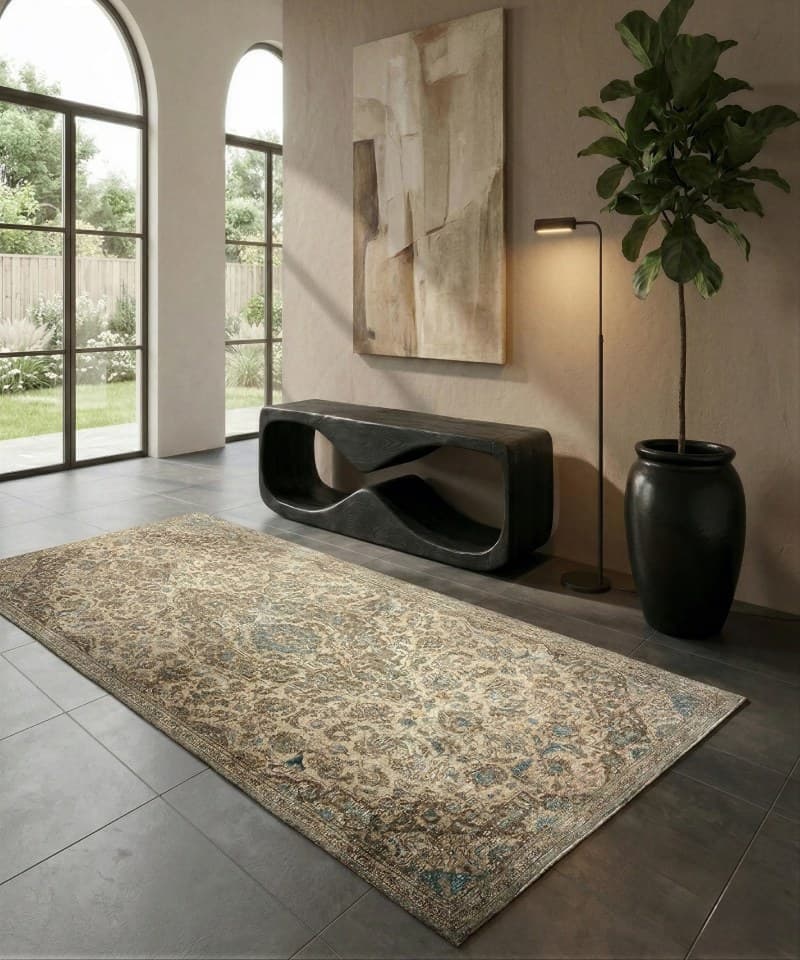
A handwoven rug is never simply a floor covering. It is a record of the hands that made it — the dyer who coaxed deep madder reds from a root, the weaver who tied thousands of knots a day, the family whose patterns have passed quietly from one generation to the next.
Every Villaria rug begins with wool that is hand-spun and dyed in small batches using natural pigments: pomegranate skin for gold, indigo for the deep blues, walnut husk for warm browns. Because no two batches are identical, the finished rug carries a subtle movement of colour known as abrash — the signature of a genuinely handmade piece.
A rug is woven slowly, on purpose. The time it takes is part of what it is.
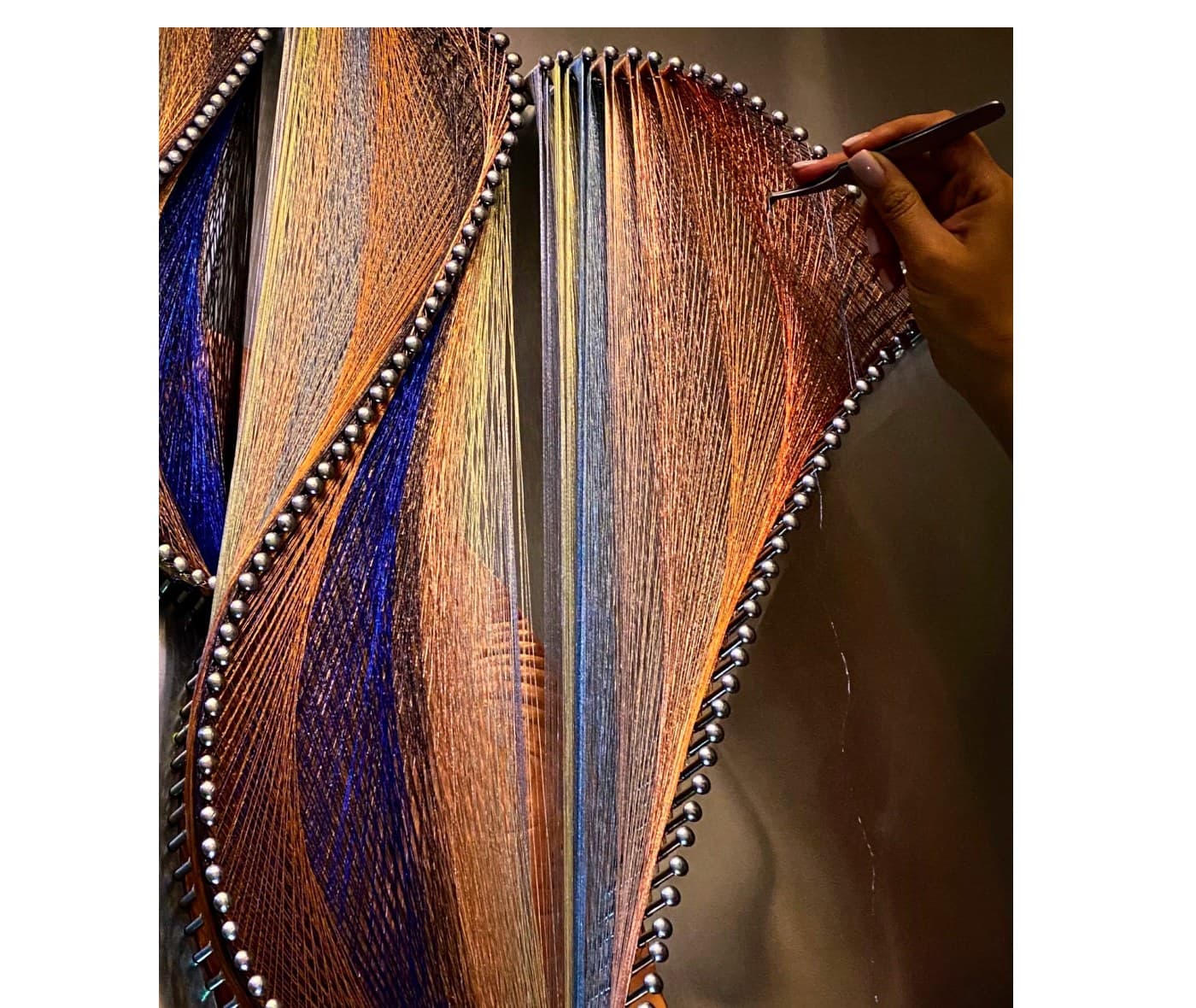
The loom work itself can take many months. A skilled weaver completes only a few centimetres a day, knotting each strand by hand against a foundation of cotton or silk. The density of those knots — not the price tag — is the truest measure of quality.
Cared for well, a handwoven rug outlives the room it was bought for. It is the rare object that grows more beautiful, not less, with the years.
Villaria Home is a Tehran atelier sourcing handwoven rugs and considered décor for refined interiors. Our editors write about craft, provenance and how to live with the pieces we carry.
The single decision that makes or breaks a room.
A medallion, a garden, a repeating boteh. Persian rug patterns are a vocabulary, and knowing a little of it changes what you see on the floor.
Cold months mean closed windows, heavier traffic and dry air. A few habits that keep a hand-knotted rug looking the way it did the day it arrived.
Shorter days change how a room is lit, and how a rug reads underfoot. A note on warmth, texture and the colours that carry a home into autumn.